What to Do When Your Cat Gets Sick? My Experience Taking My Cat to the Vet in the UK
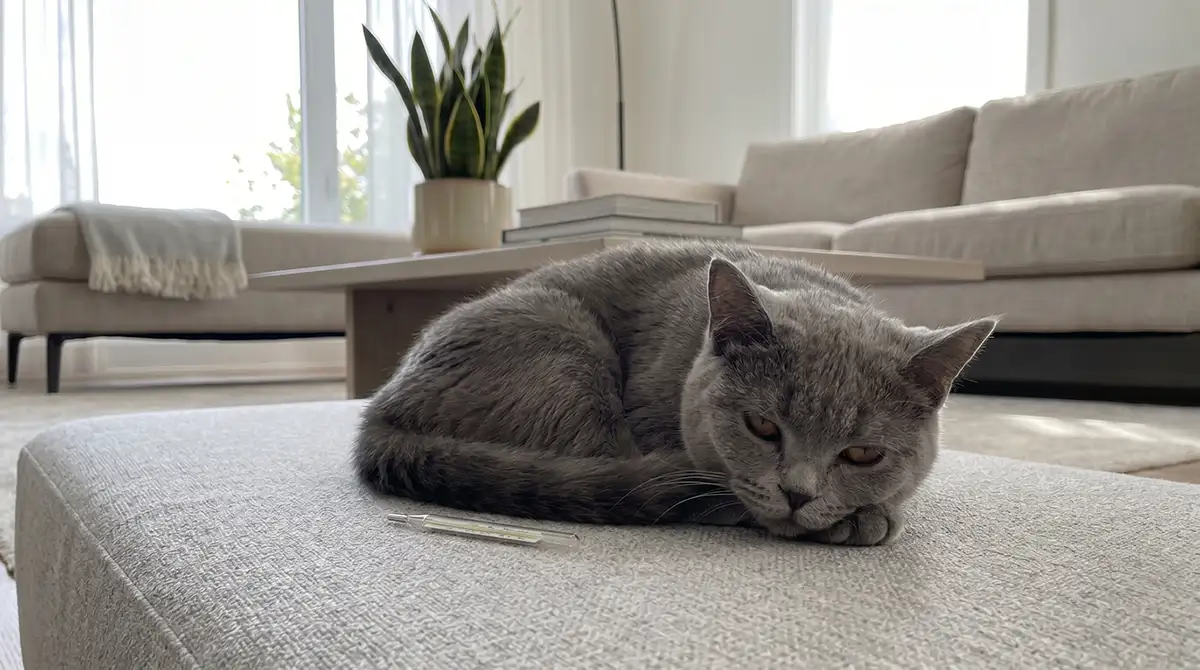
I had prepared food, a carrier and a place for Bella to sleep before bringing her home. I had thought about insurance too, but I cannot confirm buying a policy. When she showed painful urinary signs, none of that preparation replaced knowing when and where to seek help.
It Started on a Wednesday Night
I had just finished writing. I was about to head to bed.
That is when I noticed Bella acting completely off.
She usually curled up beside me at night. This time she stayed huddled inside the litter box.
She refused to come out for nearly half an hour.
Soft, distressed whimpers kept coming from her.
In the end, she only managed to pass a tiny puddle of urine. Barely bigger than a coin.
I gently touched her belly. It felt unnaturally hard.
Every time my hand made contact, she flinched. Let out a pained meow.
Panic washed over me instantly.
I had associated urinary blockages with male cats. Males are at much greater risk of urethral obstruction, but painful urination needs attention in any cat. Repeated straining with little or no urine is an emergency—call a vet immediately. Do not press the bladder yourself. Cornell explains the warning signs.
Finding Help
I scrambled to find the number of a local vet clinic. I had saved it before.
The clinic offered out-of-hours care and told me to come in.
I called right away.
The nurse asked about Bella’s symptoms and told me to head over immediately.
The First Big Hurdle
The second she saw the cat carrier, she freaked out.
She hissed nonstop. Her whole body trembled with fear.
I frantically recalled a tip I had read for anxious cats.
I grabbed an old, well-worn towel. The one I used every day. It carried my scent.
I carefully wrapped Bella in it to calm her down.
Then I gently lifted her and placed her into the carrier.
It took several shaky tries to get her settled. Without stressing her out further.
At the Emergency Clinic
The emergency clinic was quiet late at night. No other pet owners waiting.
During check-in, the nurse simply asked for Bella’s microchip number.
I was relieved to have her identification details, but I cannot confirm when her microchip was implanted or registered, or how the clinic retrieved her records. A microchip identifies a cat; it does not automatically give every clinic access to its medical history.
The vet came over to assess Bella right away.
I remember hearing terms about bladder inflammation and difficulty passing urine, but I do not have the clinical record to confirm the diagnosis, tests or whether catheterisation was required. The symptoms I saw cannot establish those details.
Cystitis means bladder inflammation; urinary retention means failure to empty the bladder; urethral obstruction means a blocked urine outflow. They are not interchangeable. Feline idiopathic cystitis is diagnosed by excluding other causes, not by abdominal palpation alone. See the iCatCare diagnostic guidelines.
Watching Through the Glass
I stood outside the consultation room. Watched through the glass window.
Bella was trembling uncontrollably on the exam table. All alone. Scared.
Guilt overwhelmed me completely.
I could not stop overthinking every small mistake I might have made.
I wondered if the dry food I had been feeding her was unsuitable.
I blamed myself for neglecting to change her water frequently enough while I was busy with work. Those were anxious thoughts, not evidence of what caused her illness.
I felt so upset and remorseful. I almost cried right there in the hallway.
The Vet’s Update
The vet came out to update me after assessing Bella.
I had linked the episode to colder weather and stress. I cannot establish either as the cause of Bella’s illness.
My busy schedule had kept me from playing with her and comforting her as usual.
Stress and a cat’s environment can matter in idiopathic cystitis, but that does not prove why this episode happened.
My memory of the update is incomplete. I cannot confirm her kidney assessment, whether a catheter was used, or the medicines and food prescribed without the clinic’s records. I do not want to turn uncertain memories into a treatment plan for another cat.
Antibiotics are not routine treatment for non-bacterial idiopathic cystitis or simply because a catheter was used. A vet should determine whether infection is present and choose treatment accordingly. Do not copy a drug course or urinary diet from this story.
I remember worrying about misunderstanding instructions in English. Ask the clinic for a written discharge plan and clarification of any medication directions; my recollection cannot supply a drug name, dose or course length.
The Cost
I cannot verify the final bill, my own payment or any insurer’s contribution. I have no settlement statement or identified policy for this visit, so it cannot be used as a confirmed insurance claim or a forecast of another owner’s costs. My annual expenses article keeps routine budget notes separate from emergency costs I cannot document.
What I can take from the experience is the need to plan for veterinary expenses. Buying insurance does not guarantee that a particular visit will be covered.
Coming Home
It was nearly dawn when I finally took Bella home.
She lay listlessly in the carrier. Completely quiet for the entire drive.
I felt anxious about her on the drive. Looking back at a carrier while driving is unsafe; if a cat needs checking, stop somewhere safe first.
Once we got home, I set her up in a quiet, enclosed spare room. To help her recover.
I put food and fresh water inside and removed unnecessary distractions. I cannot confirm which food she was prescribed. For anyone following a discharge plan, a quiet recovery space also needs an accessible litter tray, bedding and somewhere to hide.
I also kept her separated from my roommate’s male cat. To avoid noise and disturbance that could stress her out again.
Nursing Her Back to Health
I cleared all my social plans for the entire week. Focused solely on nursing her back to health.
I remember staying home to watch her eating, drinking and toileting and trying to follow the clinic’s instructions. I cannot reconstruct her medication schedule now.
She had to wear an Elizabethan collar the whole time. Vets in the UK amusingly call it a “cone of shame”.
It made eating and drinking extremely difficult for her.
I had to sit beside her and feed her bite by bite. Patiently helping her finish every meal. If a collar interferes with eating or drinking, contact the clinic about its fit and the feeding plan; do not force food or water into a struggling cat’s mouth.
Recovery
Slowly but surely, she started recovering.
On the third day, she mustered up the strength to nudge my hand for affection again.
Her litter box habits finally returned to normal too. Leaving healthy, full-sized urine clumps each day.
The heavy weight of worry I had carried for a whole week finally lifted.
Now, Bella is back to her lively, mischievous self.
She is up to her old tricks again. Running around the house knocking things over. Stealing my pillow every night.
What This Experience Taught Me
The practical lesson was to prepare an emergency contact and a way to pay for care, then act on warning signs rather than trying to diagnose Bella at home.
Mistake 1: No Emergency Vet Plan
I wish I had confirmed the clinic’s out-of-hours arrangements in advance.
Confirm the clinic’s emergency number, out-of-hours location and ability to see your cat. Call ahead; review scores cannot tell you whether emergency care is available. Cats Protection’s first-aid guidance explains when to call immediately.
Mistake 2: Not Having a Clear Plan for Vet Costs
Unexpected treatment can be difficult to afford. Compare insurance with the funds you can set aside, and plan for costs you may have to pay yourself. A low premium alone tells you little about cover.
If you choose insurance, read the exclusions, waiting periods, excesses, co-payments and limits before relying on it. Existing symptoms or conditions may not be covered, and taking out a policy after illness starts does not ensure payment for that episode. The Financial Ombudsman Service explains common pet-insurance coverage disputes.
Mistake 3: Ignoring Urinary Health
Cats of different breeds and either sex can have lower urinary signs; obstruction risk is much higher in males.
I had underestimated urinary problems and relied on dry food for convenience. That does not establish dry food as the cause.
Offer fresh water and discuss food moisture and any therapeutic diet with the vet. Wet food can help increase water intake, but treatment depends on the diagnosis.
Mistake 4: Dismissing Stress
A predictable environment and comfortable access to resources can help cats, including those being managed for idiopathic cystitis. Stress is not a diagnosis for every illness.
When I was swamped with work, I cut down all playtime with Bella.
I had overlooked her need for interaction, but I cannot establish that loneliness caused her illness.
I now make room for play and a predictable routine without treating them as a substitute for veterinary care.
Final Thought
I still remember how different Bella looked huddled in the litter box. For another owner, the useful part of my story is the sequence: notice repeated straining or little urine, call a vet immediately, describe what you saw, and follow the clinic’s written plan. Her actual diagnosis and bill still require records.